Let’s be honest with each other for a minute.
You’ve probably lost money to something online before. Or your cousin has. Or that your friend from secondary school who kept posting “DM me to learn how I make 500k weekly” until his page suddenly went quiet.
In this country, the question is hardly ever “can I make money online?” The internet has answered that one already — yes, people are earning real money from their phones and laptops every single day. The real question is the one nobody answers properly:
How do I make money online in Nigeria without somebody collecting my last card?
That’s what this guide is for. No hype. No “join my mentorship for ₦150k” at the end. Just the truth about what works, what doesn’t, and how to protect yourself while you learn.
Grab something to drink. This is long because it needs to be.
Why So Many Nigerians Get Scammed Online

Before we talk about making money, we need to talk about losing it. Because if you don’t understand why scams work, you’ll fall for the next one no matter how sharp you think you are.
Sapa makes people desperate, and scammers know it
When rent is due, when black tax is calling, when your salary finishes on the 3rd of the month — that’s exactly when “double your money in 30 days” starts to sound reasonable. Scammers don’t target stupid people. They target pressed people. There’s a difference.
We’ve seen this movie before
Remember MMM in 2016? Millions of Nigerians “provided help” and lost everything when it froze in December — right before Christmas. Then Racksterli came. Then 86FB. Then a hundred smaller ones with names you’ve already forgotten. Different packaging, same script:
- Pay money in
- Get paid from other people’s money for a while
- Tell your friends and family to join
- Platform “experiences technical issues”
- Telegram group goes silent
- Admin japa’s with everybody’s money
If you’ve been burned by one of these, you’re not a fool. You’re one of millions. But now you know the pattern, so let’s make sure it never happens again.
The scam has upgraded
Today’s scams don’t look like scams. They look like:
- “Forex account managers” on Instagram with rented cars and screenshots
- “Crypto trading platforms” with professional websites and fake CAC certificates
- “Online tasking apps” that pay small amounts first, then ask you to “upgrade your package”
- Fake job offers that ask for a “registration fee” or “training fee”
- WhatsApp groups where everybody except you is a plant
Which brings us to the most useful skill you’ll learn in this entire article.
How to Spot a Scam Before It Touches Your Money
Print this section. Screenshot it. Send it to your group chat. These are the red flags that show up again and again:
- You have to pay money to make money. Legit online work pays you. If the “opportunity” starts with you sending money — registration fee, activation fee, upgrade fee — walk away. Real employers and real platforms don’t charge you to work.
- Guaranteed returns. Nobody on this earth can guarantee you 30% monthly. Not your bank, not Dangote, not anybody. The moment you hear “guaranteed,” your legs should already be moving.
- Pressure to act NOW. “Slots closing tonight!” “Only 5 spaces left!” Urgency is a weapon. Anything real will still be real next week.
- Your earnings depend on recruiting people. If the main way to make money is bringing in your friends and family, that’s not a business. That’s a pyramid, and pyramids always collapse on the people at the bottom.
- You can’t find the real humans behind it. No verifiable founder, no physical presence, no track record you can check independently. Screenshots are not proof — anybody can Photoshop an alert in two minutes.
- They pay small amounts early. This one catches people. The platform pays you ₦2,000, ₦5,000, and you relax. That small payment is bait. It’s how they convince you to put in ₦100,000 later.
- Vague answers to direct questions. Ask “how exactly does this platform generate the money it pays out?” If the answer is vibes, motivational quotes, or “just trust the process” — leave.
One simple rule ties all of this together: if you can’t explain where the money comes from, don’t put your money (or your time) there.
Okay. Deep breath. Now the good part.
6 Legit Ways to Make Real Money Online in Nigeria

None of these will make you rich in 30 days. All of them can pay real bills within 3–6 months if you take them seriously. That’s the honest trade-off, and anyone telling you otherwise is selling something.
1. Freelancing (the fastest route for most beginners)
Freelancing means selling a skill online — writing, graphic design, video editing, virtual assistance, social media management, data entry, transcription.
Why it works for Nigerians: clients abroad pay in dollars or pounds, and with today’s exchange rate, even $300–$500 a month changes your life at home.
Where to start:
- Upwork and Fiverr — the big international platforms. Competitive, but Nigerians win jobs there daily.
- LinkedIn — post about your skill consistently and clients come to you. Slower, but the clients pay better.
- Twitter/X — Nigerian tech and media people hire from their timeline all the time.
Realistic expectations: your first month might bring nothing. Months two and three, maybe $50–$200. By month six, consistent freelancers commonly earn $300–$1,000 monthly. Some do far more, but let’s stay honest — those are the outliers.
Cost to start: ₦0 if you have a phone and data. A laptop helps a lot, but people have started with less.
2. Affiliate Marketing (selling other people’s products for commission)
You promote a product, someone buys through your link, you earn a percentage. Simple concept — but do it wrong and it becomes spam; do it right and it becomes an income stream.
How Nigerians actually do this legitimately:
- Promoting digital courses and tools through platforms like Expertnaira, Selar and Stakecut
- Promoting international products through Amazon Associates, Jumia’s affiliate program, or software affiliate programs
- Building a small audience (Instagram page, WhatsApp status, TikTok) around a topic, then recommending products that genuinely help that audience
The scam-free filter for affiliate marketing: only promote products you can verify, from real people with real track records. If the “product” is just a course teaching people to sell the same course to other people… my dear, that’s a pyramid wearing a nice agbada.
Realistic expectations: commissions in Nigeria typically range from ₦5,000 to ₦30,000 per sale on digital products. One or two sales a week is a realistic early target once you learn how to create content that converts.
3. Content Creation (slower, but it compounds)
TikTok, Instagram Reels, YouTube, blogging. You don’t need to show your face — faceless pages about food, money tips, football, and Nigerian gist are earning through brand deals, YouTube ads, and affiliate links.
The honest truth: this takes months of consistent posting before money shows up. But unlike freelancing, where you trade time for money forever, content builds an asset. A YouTube channel with 50,000 subscribers keeps paying you while you sleep.
Where the money comes from: YouTube AdSense (yes, Nigerian channels get monetized), brand sponsorships, affiliate commissions, and selling your own products later.
4. Selling Digital Products
Ebooks, templates, online courses, Canva designs, CV templates, WAEC/JAMB study guides — create it once, sell it forever.
Where to sell: Selar and Paystack storefronts make this stupidly easy for Nigerians. No website needed.
The catch: you need either an existing skill people will pay to learn, or an audience to sell to. This is usually a second income stream, not a first one. Start with freelancing or content, then add this.
5. Mini Importation and Dropshipping
Buy products cheaply from China (through 1688, Alibaba), sell them in Nigeria at a markup through Instagram, WhatsApp, or marketplaces.
Capital needed: this one isn’t free. Budget ₦50,000–₦150,000 minimum for your first stock and ads.
Scam warning specific to this business: be very careful with “mini importation masterclasses” that charge ₦40k to teach you what YouTube teaches for free. And always order product samples before you order in bulk. Always.
6. Remote Jobs (the underrated one)
Full remote jobs with foreign companies — customer support, sales, community management, junior tech roles. These pay salaries, not gig money. $500–$2,000 monthly is common for entry to mid-level remote roles.
Where to look: LinkedIn (set location filters to “Remote”), RemoteOK, We Work Remotely, and Nigerian-focused job boards and Twitter accounts that curate remote openings.
Red flag reminder: no real employer charges you a fee to apply, interview, or “process your documents.” None. Ever.
Your First 30 Days: A Step-by-Step Plan (Even With Zero Capital)

Enough theory. Here’s what to actually do, starting this week.
Week 1 — Pick ONE thing. Not three. One. Look at the six options above and choose based on what you already have. Can write? Freelance writing or content. Good with design apps? Graphic design or digital products. Have ₦100k sitting down? Maybe mini importation. Broke but consistent? Content creation or affiliate marketing.
Week 2 — Learn for free before you pay anybody. YouTube has taught more Nigerians how to earn online than every paid mentorship combined. Search “[your chosen skill] full course” and actually watch it. Take notes. The information is not the scarce thing — the discipline to use it is.
Week 3 — Create proof that you can do the thing.
- Freelancer? Do 2–3 sample projects for your portfolio (yes, free samples for yourself, not free work for strangers).
- Content creator? Post your first 10 pieces of content.
- Affiliate marketer? Set up your page and study 5 accounts already doing it well.
Week 4 — Put yourself in front of money. Set up your Upwork/Fiverr profile properly. Send your first 10 proposals. Post about your skill on LinkedIn and Twitter. Tell people in your network what you now do. Money doesn’t find hiding people.
Then repeat weeks 3 and 4 for the next three months. That’s genuinely it. Boring? Yes. That’s how you know it’s real — scams are exciting, real money is boring.
How to Actually Get Paid in Nigeria
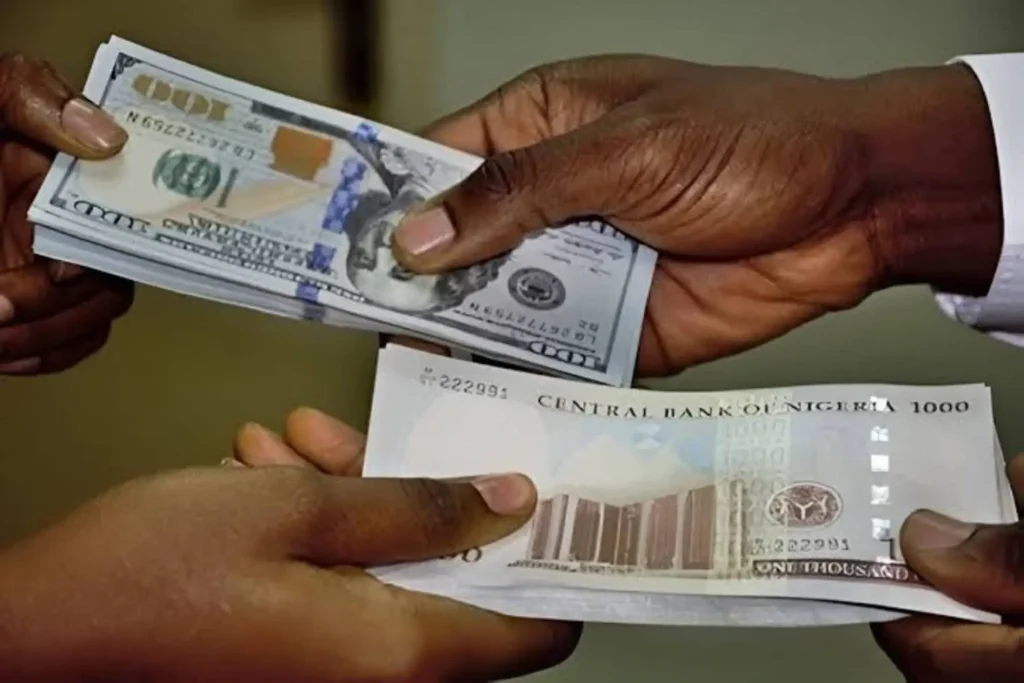
This part trips up a lot of beginners, so let’s clear it quickly.
- Payoneer — the classic option for receiving payments from Upwork, Fiverr, and foreign clients. You can withdraw to your naira account.
- Grey and Geegpay (Raenest) — Nigerian-built platforms that give you foreign account details (USD, GBP, EUR) so clients can pay you like you have an account abroad.
- Domiciliary account — worth opening once you’re earning consistently in dollars. Ask your bank about requirements.
- Direct naira transfers — for Nigerian clients and platforms like Selar/Paystack, money lands straight in your regular account.
One warning: never receive or move money for a stranger through your account, no matter the “commission” they promise. That’s not a hustle — that’s money laundering, and it’s your BVN on the line, not theirs.
Mistakes That Keep Beginners Broke
Quick fire, because you’ve read enough:
- Jumping between hustles every two weeks. Six months on one thing beats two weeks on twelve things.
- Paying for mentorships before exhausting free resources. Some paid courses are worth it — after you’ve done the free learning and know exactly what gap you’re filling.
- Comparing your month 1 to someone’s year 5. That person flexing on Instagram either started long before you or is lying to sell you something. Sometimes both.
- Not saving in dollars once you start earning them. Ask anyone who kept everything in naira through the last few years how that went.
- Quitting right before it works. Most people give up in month 2 or 3 — which is exactly when the first results usually show up.
Start This Week — Not “Someday”
Here’s the thing about making money online in Nigeria: the opportunity is real, the scams are also real, and the difference between the two is now something you can see clearly.
So do this today: pick ONE of the six paths above. Just one. Write it down. Then open YouTube and start your free education tonight.
And if this guide saved you from even one scam, do somebody else the same favour — share it with that one friend who keeps joining “investment platforms.” You know the one.
Your money can grow. It just has to grow the real way. 🌱
Want more practical, no-hype guides on earning and growing money as a Nigerian? Follow TrendzCapital on Instagram [@trendzcapitalz] and subscribe to our newsletter — we break down legit online income paths every single week.